Phishing Protection Services – Stop Every Phishing Attack, Scam, and Phishing Scams Before They Harm Your Business
In today’s hyper-connected digital landscape, a single phishing attack can cripple operations, compromise financial information, and destroy hard-earned trust. Cybercriminals launch sophisticated phishing scams every day, targeting businesses of all sizes with malicious emails, spoofed email tactics, and advanced social engineering techniques. If you are not actively investing in phishing protection, your organization is at risk of identity theft, credential theft, and serious financial damage.
Services – Complete Phishing Protection Solutions
Inbound Email Filtering and Phishing Attack Prevention
Every inbound email is scanned for malicious intent. Our system detects phishing attempt patterns, analyzes authentication mechanisms, and verifies sender legitimacy. We prevent phishing messages from reaching employees and eliminate spam that could hide malicious emails.
Activate ProtectionMulti-Factor Authentication Integration
Multi-factor authentication strengthens your email security by requiring additional verification beyond a password. Even if an attacker obtains login credentials through a phishing scam, authentication layers prevent unauthorized access.
Activate ProtectionAnti-Malware and Attachment Scanning
Malicious attachments are a common part of a phishing campaign. Our anti-malware software scans every attachment for advanced threat indicators, blocking malicious content before it compromises your network.
Activate ProtectionChallenges – Why Phishing Scams Continue to Succeed
Evolving Cybercrime Techniques
Cybercrime has become a sophisticated industry. Attackers use automation, artificial intelligence, and stolen data to craft convincing phishing messages. A phishing email may replicate branding, mimic writing styles, and simulate internal communication threads.
Employees Receive an Email Every Day
Employees receive an email every day from multiple sources. When staff get an email that appears routine, it can be difficult to identify a phishing attempt. Without automated phishing protection, organizations rely too heavily on human vigilance.
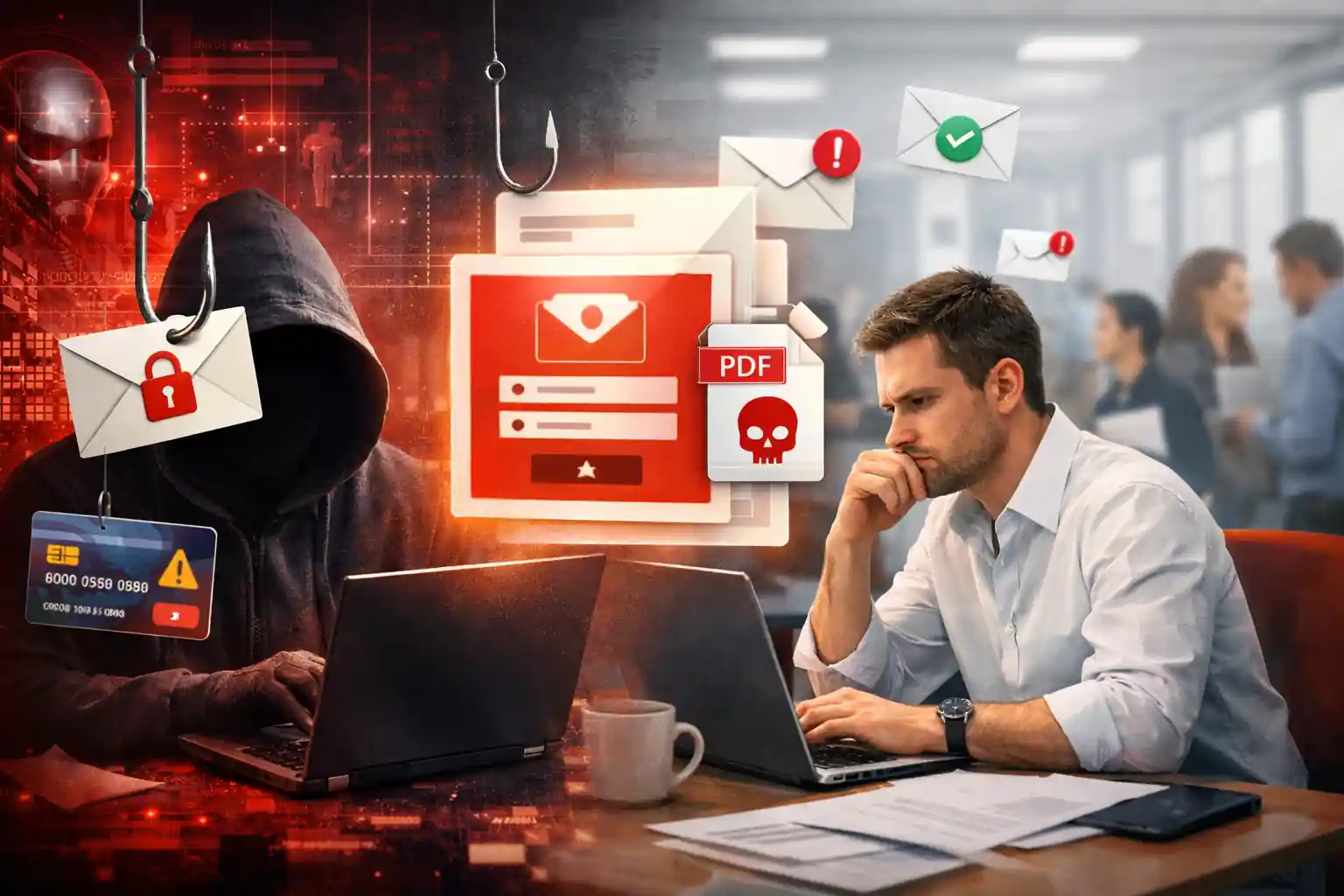
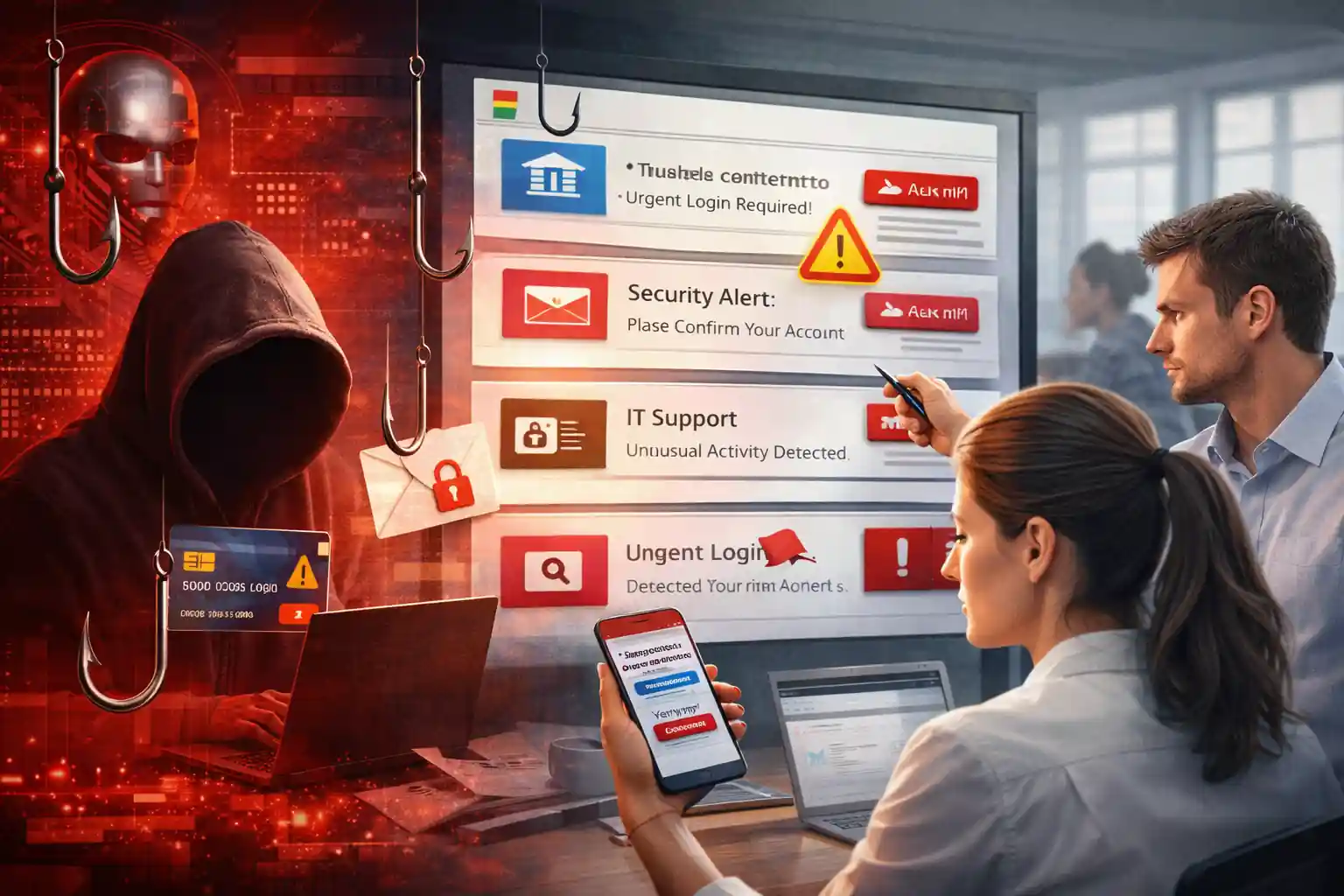
Solutions – Comprehensive Protection Solution by MailExperts
Identify and Block Malicious Emails
Our email security solution automatically identifies and block malicious emails. We detect spoof attempts, suspicious links, and malicious attachments before they enter your email server.
Stop Phishing Attacks Before They Begin
Through real-time monitoring and phishing attack prevention technology, we stop phishing attacks before they compromise sensitive data.
Protect Your Organization from Financial Damage
By preventing identity theft, safeguarding credit card numbers, and protecting account numbers, our phishing protection ensures business continuity and customer trust.
Target Audience – Who Needs Phishing Protection
Businesses Handling Financial Information
Companies processing financial information, social security numbers, and sensitive data are prime targets for phishing scams.
Enterprises with Distributed Teams
Organizations with remote employees using mobile devices face higher phishing risks.
Companies Concerned About Reputation
A single phishing attack can expose customer data and damage your brand. Protect yourself from phishing before it impacts your reputation.
Features – Advanced Email Security and Phishing Protection
Real-Time Phishing Detection
We analyze every email in real time to recognize phishing patterns and block phishing campaigns.
Authentication and Domain Protection
We validate domain name integrity and sender authentication to prevent spoofed email attacks.
Advanced Threat Analytics
Our system detects advanced threat patterns associated with spear phishing attacks and whaling attacks.
Benefits – Why Choose MailExperts for Phishing Protection
Reduced Risk of Cyber Attacks
By preventing phishing, you reduce exposure to cyber attacks and data breaches.
Improved Employee Confidence
When users know suspicious emails are filtered, they feel safer using email daily.
Stronger Compliance and Data Security
Protecting sensitive information ensures compliance with data regulations and prevents revealing sensitive information to attackers.

Process – How Our Phishing Protection Works
Step One – Inbound Email Inspection
Every inbound email is scanned for phishing tactics, malicious attachments, and suspicious links.
Step Two – Threat Analysis
We evaluate whether the email may contain part of a phishing campaign.
Step Three – Identification and Blocking
We identify and block malicious emails, preventing clicking on malicious links and credential theft.
Phishing Attack and Phishing Email Threat Landscape
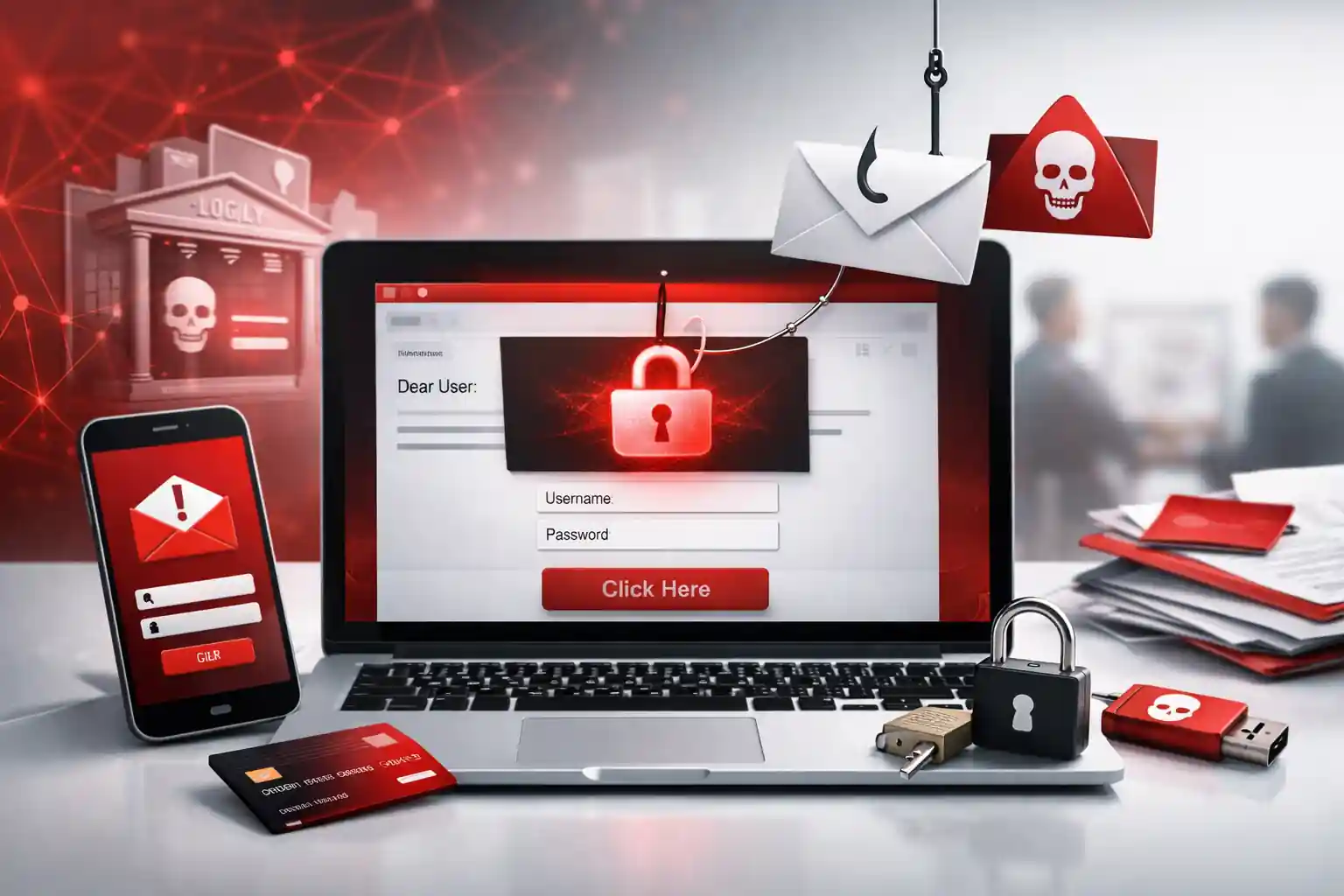
A phishing attack is a form of phishing where an attacker sends a phishing email that appears legitimate. The email that appears to come from trusted brands, legitimate companies, financial institutions, or internal executives is designed to trick users into revealing sensitive information. Attacks typically rely on deception, urgency, and manipulation to convince employees to click on a link, download a malicious attachment, or send email replies containing confidential data.
A phishing email may include links to malicious websites, requests for verification, or prompts for authentication details. These phishing messages are often disguised using a spoofed email address, manipulated domain name, or fraudulent sender identity. Because attacks typically mimic everyday communication, they are not always easy to spot.
Cybercriminals use email phishing as a primary cybercrime method because it remains one of the most effective ways to bypass traditional email security defenses. Without strong phishing protection solutions in place, even one phishing attempt can compromise account numbers, credit card numbers, social security numbers, passwords, and other sensitive data.
Start Protection
Choose Your Plan
All plans include full access to MailExperts email protection features.
🥇
Monthly Plan
✓ Unlimited Email Addresses
✓ Unlimited Reports
✓ Incoming & Outgoing Protection
✓ Full Portal Access
✓ Email Security Statistics
✓ Email Support
Quarterly Plan
✓ Unlimited Email Addresses
✓ Unlimited Reports
✓ Incoming & Outgoing Protection
✓ Full Portal Access
✓ Email Security Statistics
✓ Email Support
Annual Plan
✓ Unlimited Email Addresses
✓ Unlimited Reports
✓ Incoming & Outgoing Protection
✓ Full Portal Access
✓ Email Security Statistics
✓ Email Support
Case Studies – Real-World Phishing Attack Prevention
Financial Services Firm
A financial services firm experienced repeated spear phishing attempts targeting executive leadership. After deploying MailExperts phishing protection solutions, they successfully blocked phishing campaigns, prevented unauthorized access, and protected financial information.
Read Case StudyRetail Organization
Another organization in retail faced a phishing attack involving spoofed email requests for account numbers. With our protection solution, the malicious emails were intercepted before employees could respond.
Read Case Study
Testimonials – What Clients Say
“MailExperts has significantly improved our email security operations. We now detect and block phishing attempts faster, and our team has better insight into potential threats before they impact employees.”
— Brian Mitchell, IT Security Specialist
“With MailExperts in place, our organization has seen a noticeable reduction in malicious emails reaching inboxes. The added visibility and control have made managing email security much more effective.”
— Natalie Brooks, Information Security Analyst
“Implementing MailExperts strengthened our overall cybersecurity strategy. The platform provides reliable protection against phishing and suspicious messages while giving our security team the tools needed to monitor email activity with confidence.”
— Kevin Turner, Director of IT Operations
Tools – Supporting Your Email Security Strategy
MailExperts integrates with your existing email server, email client, and authentication systems. Our anti-malware software, digital risk protection tools, and advanced threat analytics provide layered defense.
Explore Our Tools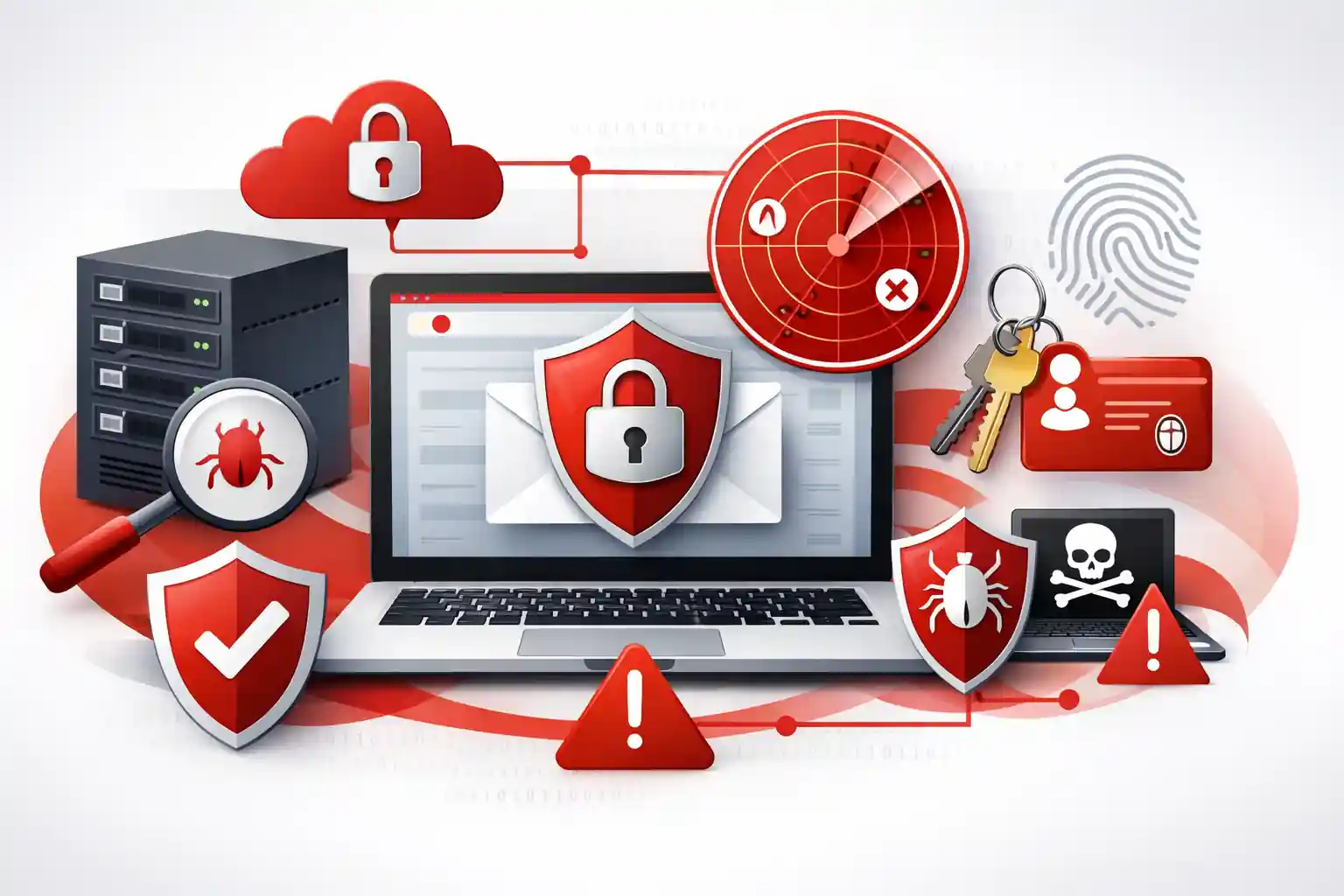
Who It's For – Organizations Ready to Stop Phishing
Explore Our Email Security Services
View All Services
Explore our complete range of email security and phishing protection solutions designed for modern businesses.
View All ServicesRelated Services
Recognize Phishing and Identify a Phishing Attempt
To recognize phishing and identify a phishing message, users must learn how to identify subtle warning signs. These may include suspicious emails requesting urgent action, unexpected attachments, unusual sender domain name variations, or messages that pressure you into clicking on malicious links.
However, training alone is not enough. Organizations must deploy advanced threat protection and digital risk protection tools to automatically identify and block malicious emails before employees receive an email that could lead to cyber attacks.
Learn MoreTypes of Phishing Attacks and Spear Phishing
There are multiple types of phishing attacks that organizations face today. Standard phishing campaigns target broad audiences, while spear phishing attacks represent a targeted form of phishing aimed at specific individuals. Spear-phishing techniques use personal information to craft convincing phishing messages.
Whaling attacks are an even more focused variation of spear phishing, often targeting executives and senior leadership. These attacks attempt to gain access to high-value financial information and strategic data.
Learn MoreEmail Protection and Threat Protection
Comprehensive email protection must include anti-malware software, advanced threat protection, and real-time monitoring. MailExperts integrates multiple layers of threat protection to safeguard your email infrastructure.
Our phishing protection solutions verify authentication protocols, analyze sender legitimacy, and scan attachments for malicious content.
Learn MoreStop Phishing Attacks with Advanced Phishing Protection
Stop Phishing and Block Phishing Campaigns
Our system is designed to stop phishing at scale. Whether it is a mass phishing campaign or a targeted spear phishing attack, we identify malicious patterns and block phishing messages automatically. We analyze inbound email traffic to detect spoof attempts, malicious attachments, suspicious links to malicious websites, and unauthorized sender domains. By identifying and blocking malicious emails early, we prevent phishing attempts from escalating into full-scale cyber attacks.
Recognize Phishing, Spot Phishing, and Protect Yourself from Phishing
Learn How to Identify Phishing Messages
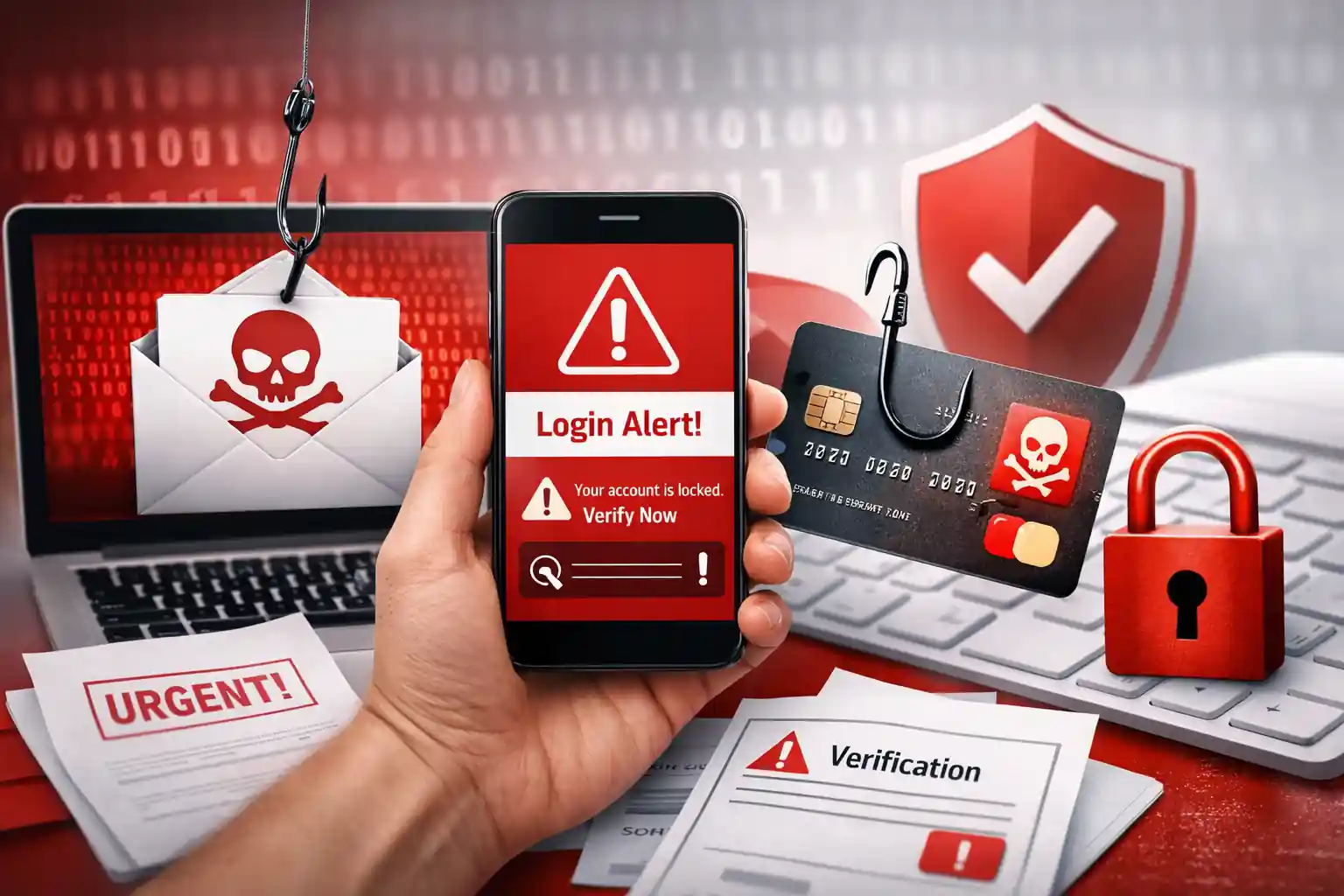
When employees learn how to identify suspicious emails, they become an additional defense layer. A phishing email often contains grammatical errors, unexpected verification requests, or urgent financial instructions. However, modern phishing tactics can be sophisticated and difficult to spot phishing attempts without automated analysis. MailExperts enhances your internal training programs by providing insights into blocked phishing messages, helping teams learn more about phishing threats that target their industry.
Protect Yourself from Phishing on Mobile Devices
Phishing is no longer limited to desktop email clients. Mobile devices are frequently targeted through text messages and malicious emails. Our phishing protection extends across devices, ensuring that users who use email on smartphones and tablets remain secure.
Defend Against Phishing Attacks with Social Engineering Awareness
Social Engineering and Cybercriminal Tactics
Attackers often impersonate legitimate companies, internal executives, or vendors. They create email that appears authentic, using spoofed email addresses and similar domain name structures. They pressure recipients to click on a link, download an attachment, or send email responses with confidential data. Because social engineering attacks typically exploit trust and urgency, organizations must combine user education with robust phishing protection solutions.
Digital Risk Protection and Advanced Threat Detection
Digital risk protection identifies threats beyond the inbox, monitoring external channels for phishing campaigns that impersonate your brand. MailExperts integrates advanced threat analytics to identify a phishing attack before it spreads internally.
FAQ – Learn More About Phishing Protection
What is a phishing attack and how does phishing protection help
A phishing attack is a malicious attempt to steal credentials, passwords, or financial information through deceptive communication. Phishing protection solutions prevent phishing by identifying malicious emails and blocking them before users interact with them.
How can we avoid phishing scams
To avoid phishing scams, combine employee education with advanced email security solutions. Recognize phishing indicators, avoid clicking on suspicious links, and deploy phishing protection that automatically blocks threats.
What are common examples of phishing
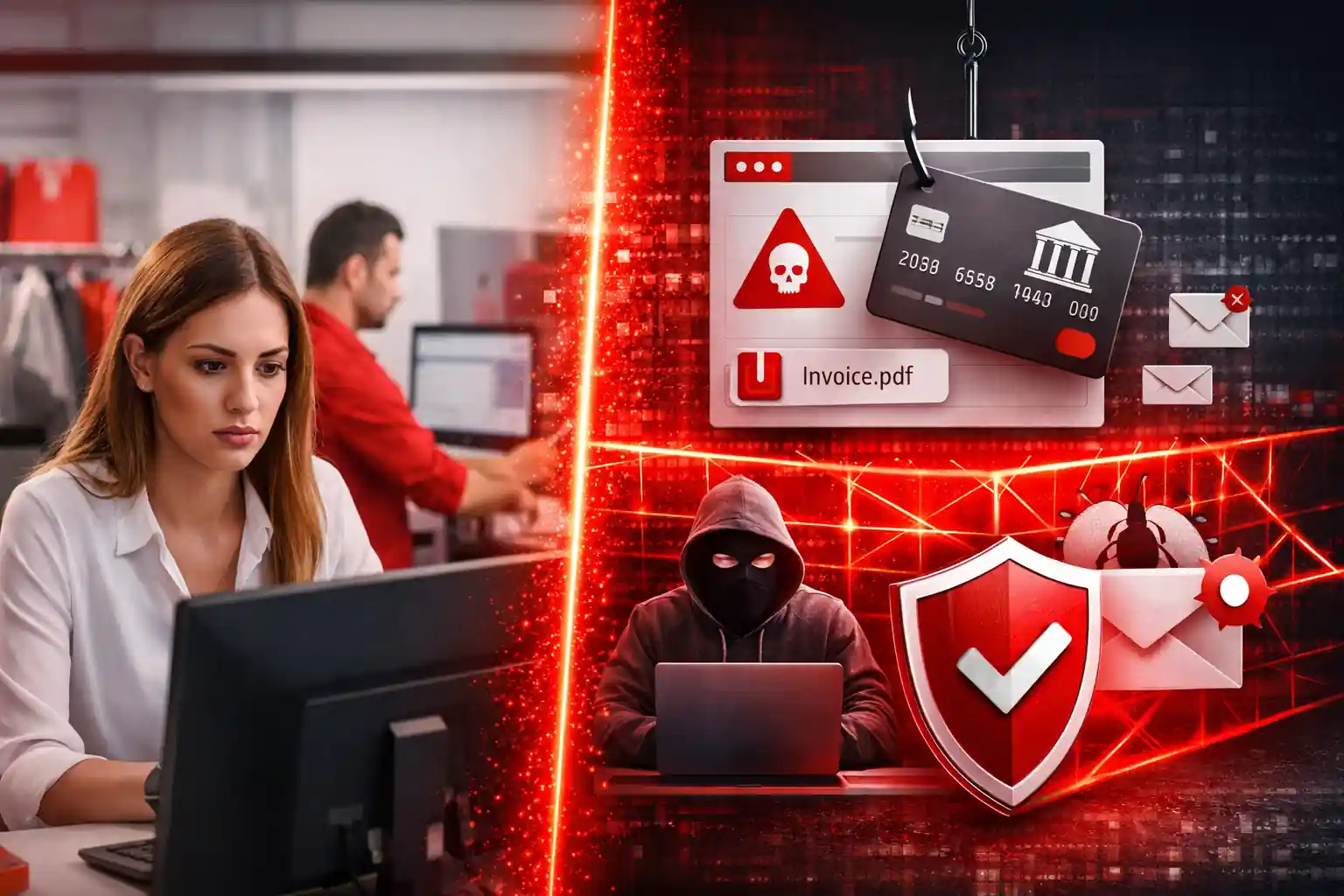
Examples of phishing include spoofed email messages requesting verification, malicious attachments disguised as invoices, and urgent financial requests that pressure employees to act quickly.
How does MailExperts stop phishing attacks
MailExperts uses advanced threat detection, authentication validation, anti-malware software, and digital risk protection to stop phishing attacks before they reach your inbox.
Guarantee – Your Protection Against Phishing